
Industrial Lighting

LGU employee reviewing industrial supplier quotation and project documents for a PhilGEPS purchase

How LGU Buyers Can Choose a Reliable Industrial Supplier for PhilGEPS Projects

PhilGEPS has made government procurement more transparent and more accessible by putting opportunities and transaction information online. Official PhilGEPS materials highlight benefits such as improved transparency, enhanced competition, improved administrative efficiency, reduced procurement costs, and audit trails through information posted in the system. Those are major advantages for public procurement, but they do not eliminate […]

How LGU Buyers Can Choose a Reliable Industrial Supplier for PhilGEPS Projects Read More »

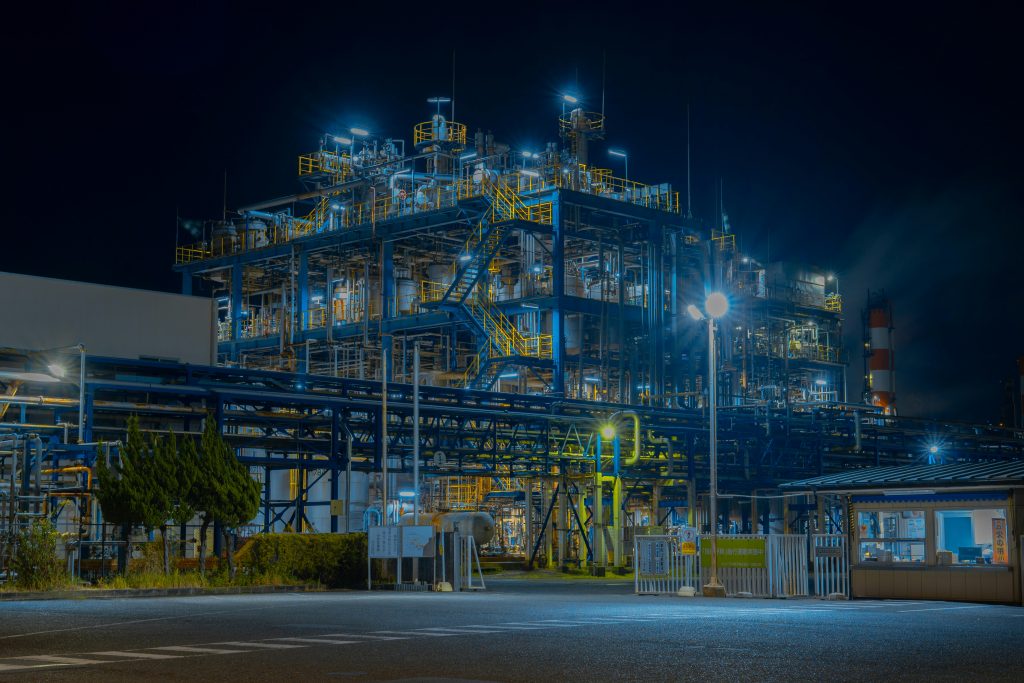
Hazardous area lighting installed inside an industrial plant with Zone 1 and Zone 2 classified areas

Zone 1 vs Zone 2 Lighting: What Plant Managers Need to Know Before Choosing Hazardous Area Fixtures

In many plants, lighting is often treated as a routine utility decision. Teams compare wattage, lumen output, energy savings, and maintenance intervals, then move on. In hazardous areas, that approach is not enough. Lighting can become part of the ignition risk profile of the facility because electrical equipment and lights are specifically recognized as potential

Zone 1 vs Zone 2 Lighting: What Plant Managers Need to Know Before Choosing Hazardous Area Fixtures Read More »

Industrial facility lighting in a hazardous work environment where ordinary LED fixtures may create fire and safety risks

Why Regular LED Lights Are Not Enough for Hazardous Industrial Applications

LED lighting is widely recognized for energy efficiency, long service life, and lower maintenance. In ordinary buildings, that makes it an easy choice. But in hazardous industrial environments, those benefits alone are not enough, because a regular LED fixture may still become a source of overheating, electrical failure, ignition, or fire if it is installed

Why Regular LED Lights Are Not Enough for Hazardous Industrial Applications Read More »

Blurred worker in a cold storage facility with shelves of perishable goods, emphasizing motion and efficiency.

Optimizing Cold Chain Operations with Industrial Lighting Solutions

Cold chain facilities in the Philippines—from frozen food warehouses to pharmaceutical storage—operate under stringent conditions where temperature control, product integrity, and worker efficiency are non-negotiable. Industrial lighting plays a pivotal role in these environments, ensuring visibility without compromising the cold atmosphere. In high-humidity freezers at -20°C to +10°C and bustling loading docks, cold chain lighting

Optimizing Cold Chain Operations with Industrial Lighting Solutions Read More »

A man walking through a large industrial warehouse with stacked shelves filled with goods and products.

How Proper Lighting Improves Productivity in Warehouses and Logistics Facilities

Warehouses and logistics hubs operate around the clock, handling high volumes of goods in fast-paced environments. In these settings, visibility directly impacts speed, accuracy, and safety, making proper lighting an essential operational tool. Industrial high bay lighting must deliver consistent lux levels across large spaces with high ceilings, a common challenge in Philippine facilities where

How Proper Lighting Improves Productivity in Warehouses and Logistics Facilities Read More »

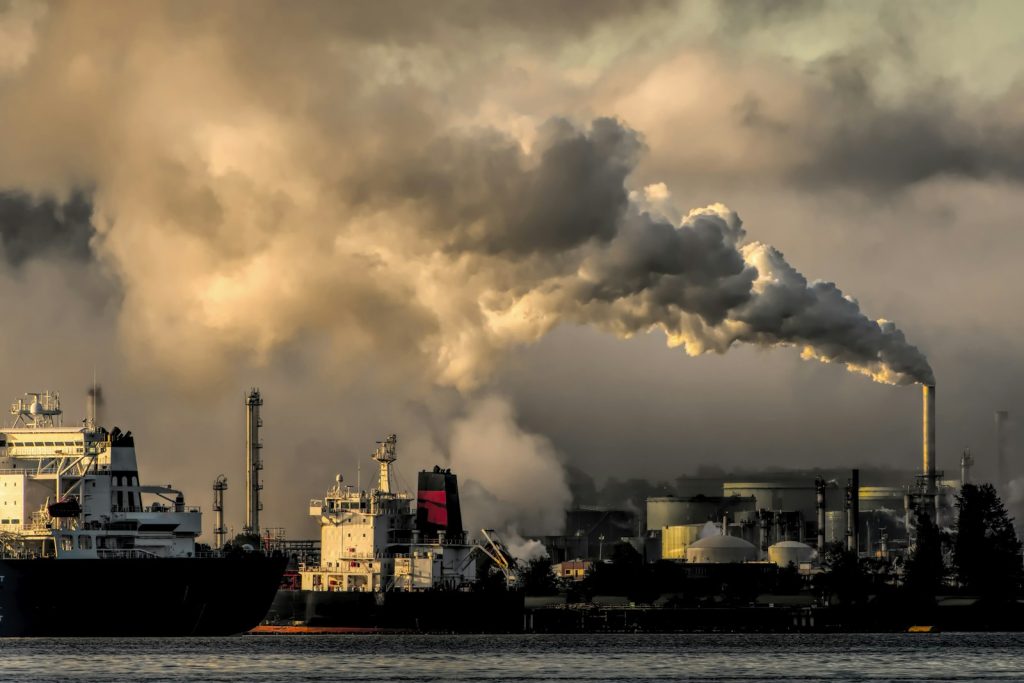
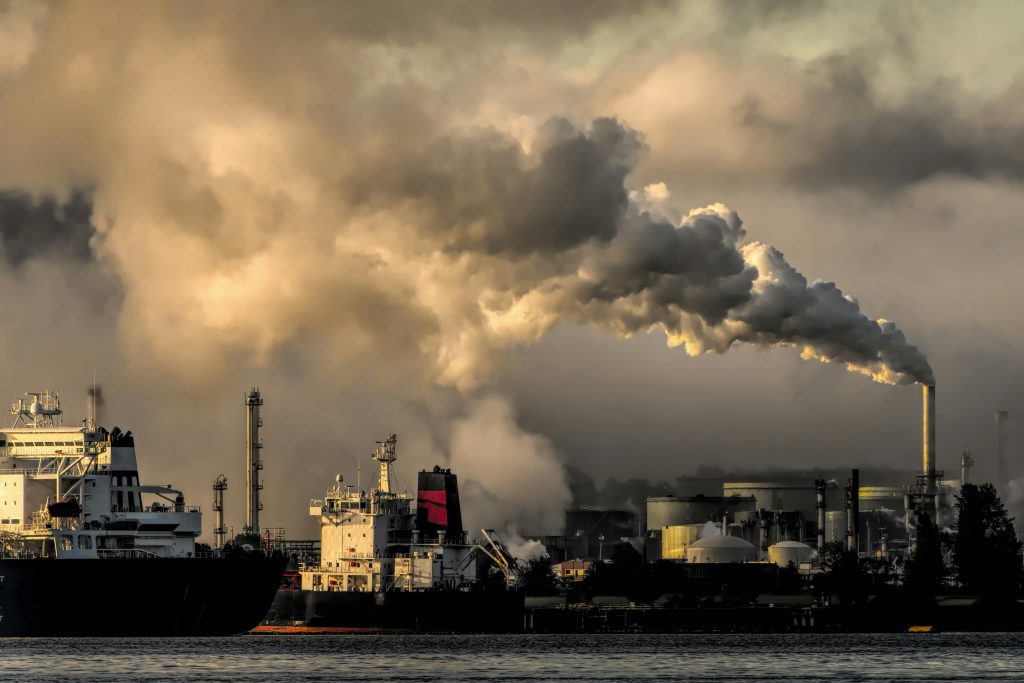
sunset, factory, buildings, illuminated, industrial, industrial plant, nature, pollution

Understanding Explosion Proof Lighting for Hazardous Industrial Environments

Facilities operating in oil and gas, chemical processing, power generation, and certain manufacturing sectors face elevated ignition risks. In these environments, standard lighting fixtures are not acceptable. Explosion proof lighting is designed to contain internal sparks or heat and prevent ignition of flammable gases or dust present in the surrounding atmosphere. Hazardous Area ClassificationsThis is

Understanding Explosion Proof Lighting for Hazardous Industrial Environments Read More »

Spacious industrial hall with machinery and equipment for manufacturing. Ideal stock image for industry themes.

Why Industrial Lighting Is a Critical Operational Asset in Manufacturing Facilities

Industrial lighting is often treated as a procurement decision. In reality, it is an operational asset that directly influences productivity, safety, energy efficiency, and long-term cost control. In manufacturing facilities across the Philippines, lighting conditions affect machine accuracy, worker visibility, inspection quality, and accident rates. Impact on Productivity and SafetyPoor lighting results in shadowing, glare,

Why Industrial Lighting Is a Critical Operational Asset in Manufacturing Facilities Read More »