
Valve Reliability in Mining Operations: Handling Abrasive and High-Pressure Flow
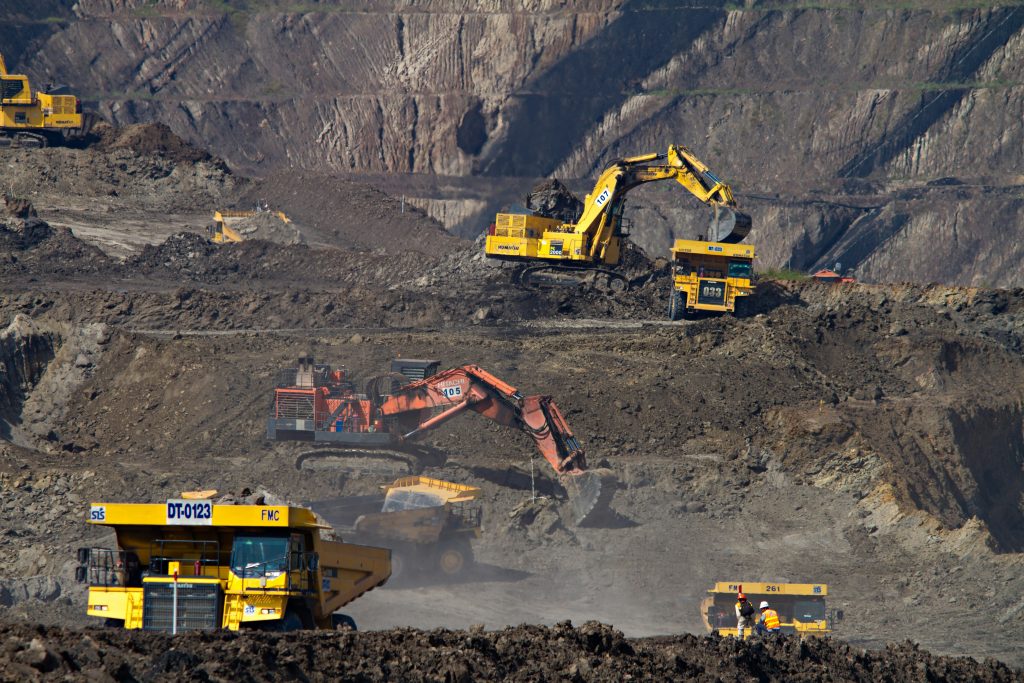
Mining operations put valves through a combination of stresses that few other industrial applications match simultaneously. Slurry lines carry suspended solids that erode internal surfaces with every cycle. Process pressures run high across extended continuous operation. Unplanned valve failure in a mining process line rarely produces a quiet, contained problem, it produces a process stoppage, a safety exposure, and in many cases a maintenance task in a location that is genuinely difficult and time-consuming to access. Specifying valves for mining duty without accounting for this combination of factors is one of the more common, and most expensive, mistakes in mining facility procurement.
Why Mining Process Flow Is Uniquely Hard on Valves
Mineral processing operations move large volumes of slurry, water mixed with crushed ore, tailings, or process chemicals, through pipelines and process equipment continuously. That slurry carries suspended abrasive particles that interact with every valve in the flow path through erosion, a gradual wearing away of internal surfaces concentrated wherever flow velocity or turbulence is highest, frequently right at the valve seat and trim.
This erosion is progressive rather than sudden, which creates a specific operational risk. A valve experiencing erosive wear can continue functioning, with gradually degrading sealing performance, for an extended period before failing outright, meaning the failure often arrives without clear warning unless the facility maintains a deliberate inspection program tracking wear progression on the valves most exposed to abrasive flow.
High pressure compounds the erosion problem rather than acting independently of it. Higher line pressure generally means higher flow velocity through a given valve geometry, and flow velocity is one of the primary drivers of erosion rate. A valve specified adequately for pressure containment alone, without accounting for how that same pressure translates into erosive flow velocity against trim and seat surfaces, will frequently underperform expectations in mining slurry service even if it never approaches its pressure rating limit.
Material Selection for Abrasive Service
Standard valve trim materials selected primarily for corrosion resistance often underperform in abrasive mining service, since corrosion resistance and erosion resistance are related but distinct material properties. A material highly resistant to chemical attack is not automatically resistant to mechanical wear from suspended abrasive particles, and mining valve specification needs to weigh both properties explicitly rather than assuming one implies the other.
Hardened trim materials, and in many demanding applications specialized coatings or hard-faced seat surfaces, extend service life meaningfully in abrasive slurry service compared to standard trim. The specific material and hardening approach appropriate for a given application depends on the actual particle size, concentration, and hardness of the solids in the process slurry, which varies across different stages of a mineral processing operation and should inform material selection at each distinct point in the system rather than applying a single trim specification uniformly across the facility.
Valve Type Considerations for Slurry and High-Pressure Mining Service
Valve type selection in mining service should account for how each design’s mechanical characteristics interact with abrasive flow specifically. Full-bore ball valves can perform well in mining isolation duty when seat and trim materials are matched correctly to the abrasive characteristics of the process fluid, though the sealing surfaces require careful specification given the wear mechanism abrasive slurry introduces. Knife gate valves see frequent use in slurry and mining applications specifically because their design can shear through settled or viscous solids during closure, a capability standard gate or ball valve designs do not offer in the same way.
The right type selection depends on the specific point in the mining process the valve serves, since flow characteristics, solids concentration, and pressure vary considerably between a primary slurry transport line, a tailings line, and a process water line even within the same facility.
The Real Cost of Unplanned Valve Failure in Mining Operations
Mining facilities frequently operate in locations where logistics, parts availability, and access to specialized maintenance expertise are genuinely more constrained than at a typical urban industrial site. An unplanned valve failure in this context carries cost well beyond the replacement part itself: production stoppage during the failure window, the labor and logistics cost of mobilizing a repair in a remote or difficult-access location, and in many cases extended downtime while a replacement part is sourced and transported if the failed valve was not a stocked item.
This cost structure changes the economics of valve specification meaningfully compared to a facility with easier logistics. Specifying a valve with adequate margin against erosive and pressure stress, even at a higher upfront cost, frequently produces a lower total cost of ownership once the realistic cost of an unplanned failure and remote-site repair is factored into the comparison honestly.
Building a Specification That Reflects Actual Operating Conditions
A mining valve specification should reference the actual particle characteristics and concentration of the process slurry at each distinct point in the system, rather than applying a generic abrasive-service designation uniformly. It should account for actual line pressure and resulting flow velocity, not just the pressure rating the valve needs to contain. And it should weigh valve type selection against the specific mechanical demands of each application point, slurry transport, isolation, control, rather than standardizing a single valve design across fundamentally different duty.
Belven’s quarter-turn valve range is engineered for this kind of demanding process service, where abrasive flow and sustained high pressure combine to punish equipment that was specified for lighter duty. For mining operations evaluating valve reliability across a facility, working through specification point by point against the actual conditions each valve experiences is the step that converts an unpredictable maintenance burden into a planned, manageable replacement cycle.
Looking for Industrial Equipment in the Philippines?
Ultra Power Industrial Resources provides reliable equipment and solutions across all major Philippine industries.
Start Your Assessment