
Industrial Valves

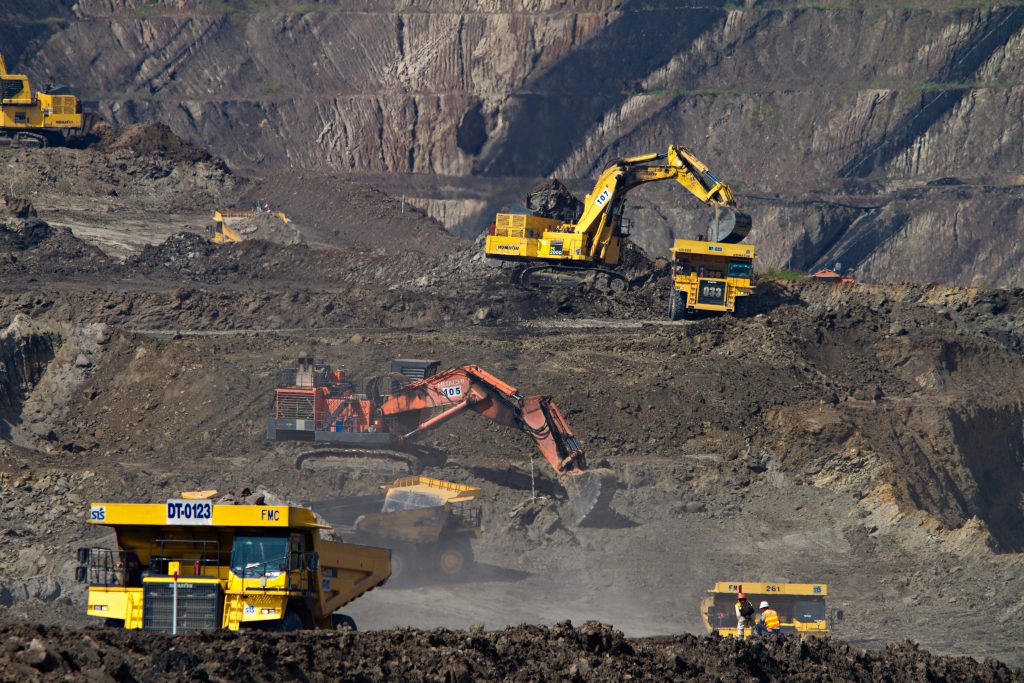
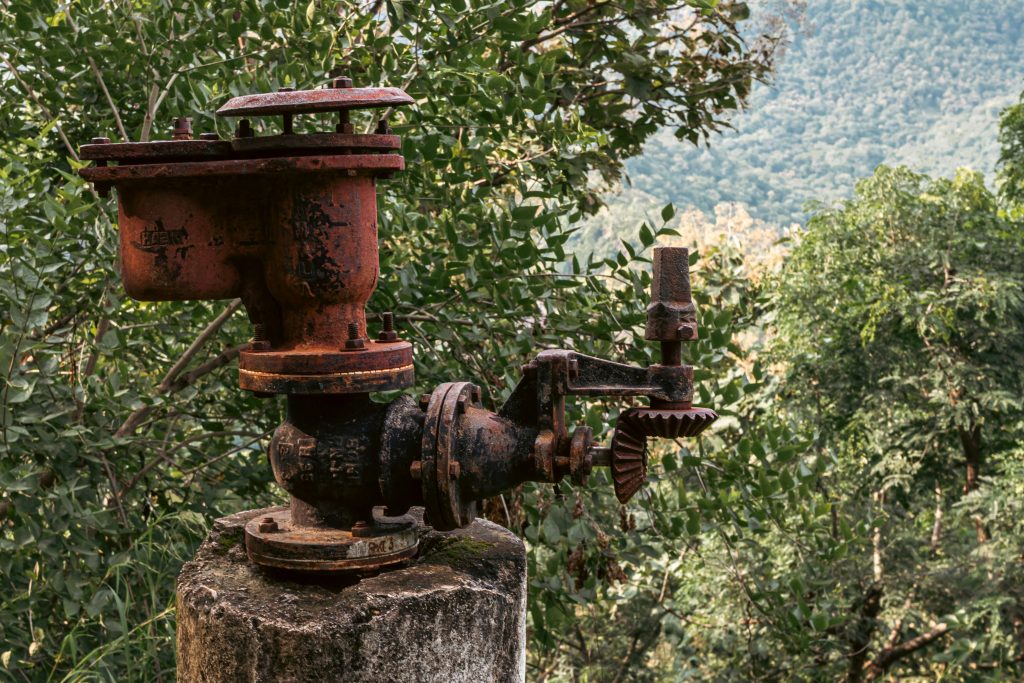
Industrial valve mechanism representing seasonal hydropower valve maintenance

Belven Valve Maintenance for Seasonal Hydropower Operation

Philippine hydropower facilities operate against a backdrop of pronounced wet and dry season flow variation, a pattern that shapes not just generating output but the actual stress and wear profile valves experience across the year. A maintenance program built around a uniform calendar interval, applied without regard to this seasonal operating reality, tends to miss […]

Belven Valve Maintenance for Seasonal Hydropower Operation Read More »

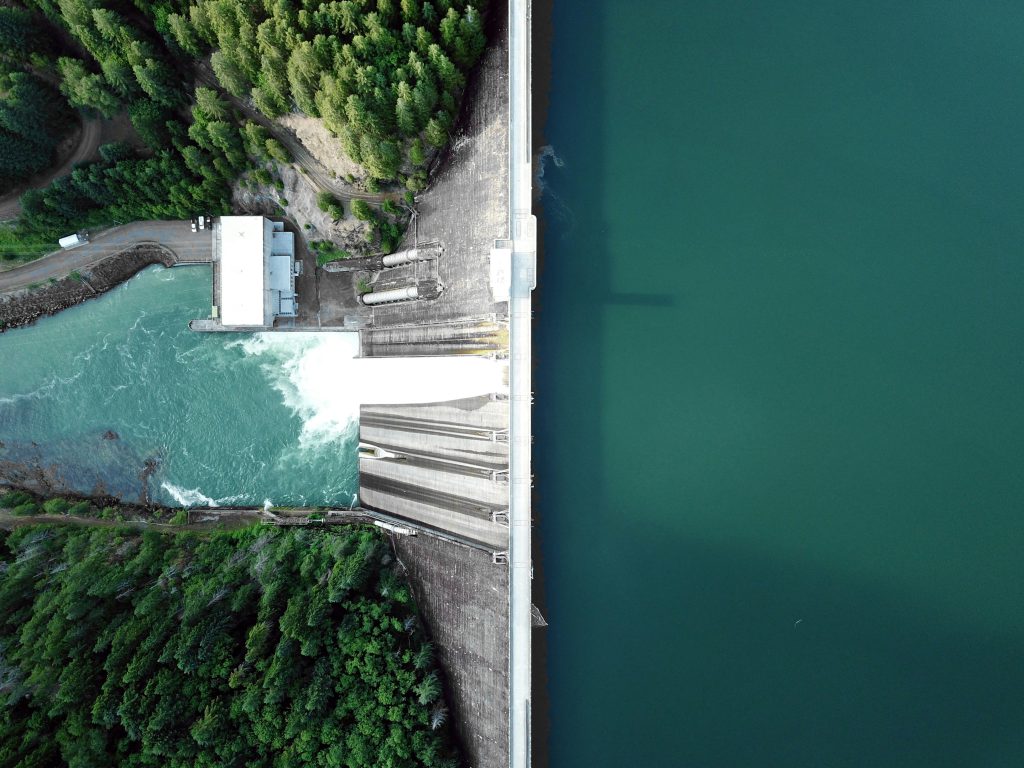
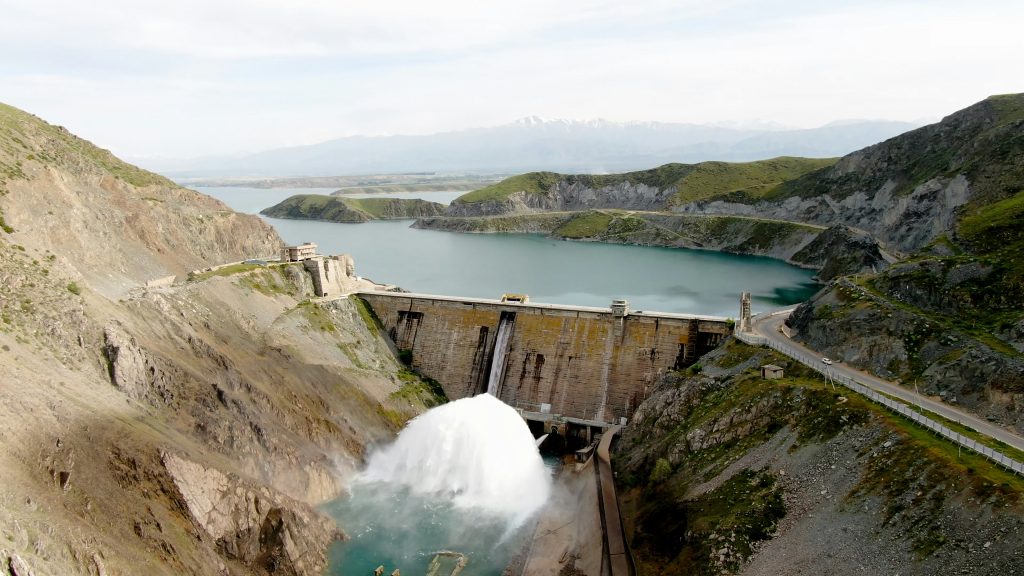
Aerial view of a hydroelectric dam representing run-of-river and storage hydropower plant types

Valve Specification for Run-of-River vs Storage Hydropower Plants

Hydroelectric facilities broadly divide into two operating models that place meaningfully different demands on valve specification: run-of-river plants, which generate using the natural flow of a river with little or no significant water storage, and storage plants, which impound water behind a dam to generate on a schedule determined by demand rather than the river’s

Valve Specification for Run-of-River vs Storage Hydropower Plants Read More »

Industrial pipes representing intake and trash rack gate valve systems

Intake and Trash Rack Gate Valves for Hydroelectric Facilities

The intake structure of a hydroelectric facility, where water first enters the system from a reservoir or river diversion, presents valve specification challenges distinct from those found further downstream at the penstock or turbine. Water at this point carries whatever sediment, debris, and biological material the source water contains, largely unfiltered by any upstream treatment,

Intake and Trash Rack Gate Valves for Hydroelectric Facilities Read More »

Large dam releasing water representing water hammer and surge protection in hydropower

Water Hammer and Surge Protection: Valve Specification for Hydropower Systems

Water hammer, the sudden pressure transient that occurs when flowing water is abruptly decelerated, represents one of the more destructive forces a hydroelectric facility’s piping and valve infrastructure can experience, and it is a failure mechanism almost entirely distinct from the corrosion, erosion, and thermal stress concerns that dominate valve specification in geothermal or general

Water Hammer and Surge Protection: Valve Specification for Hydropower Systems Read More »

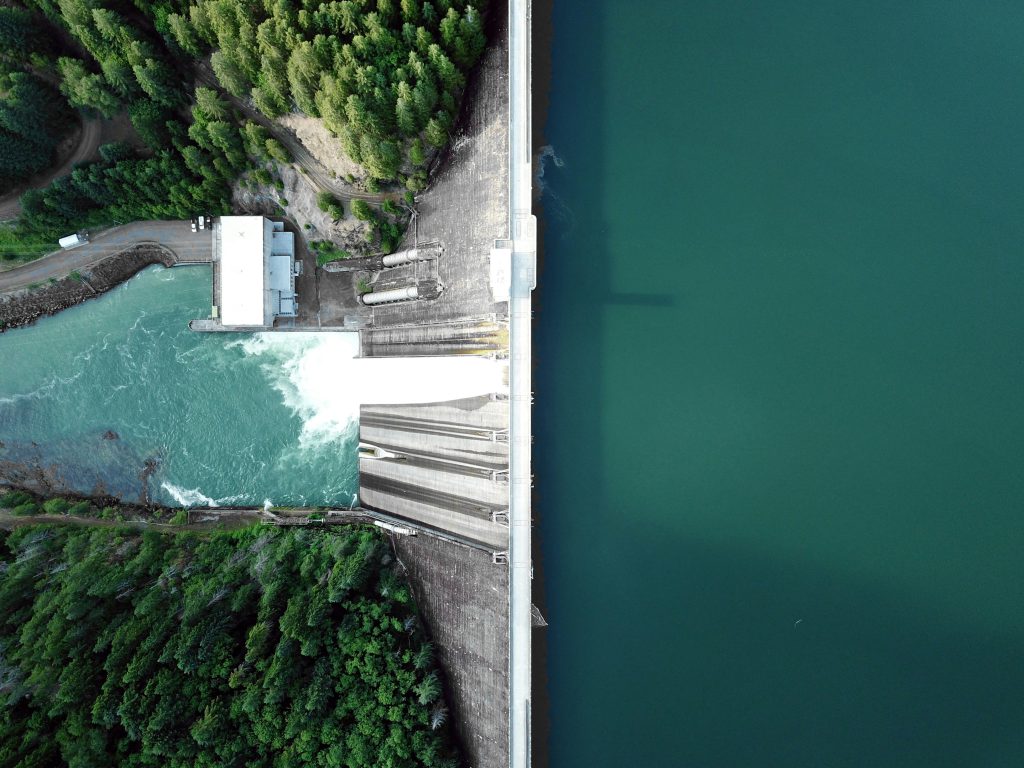
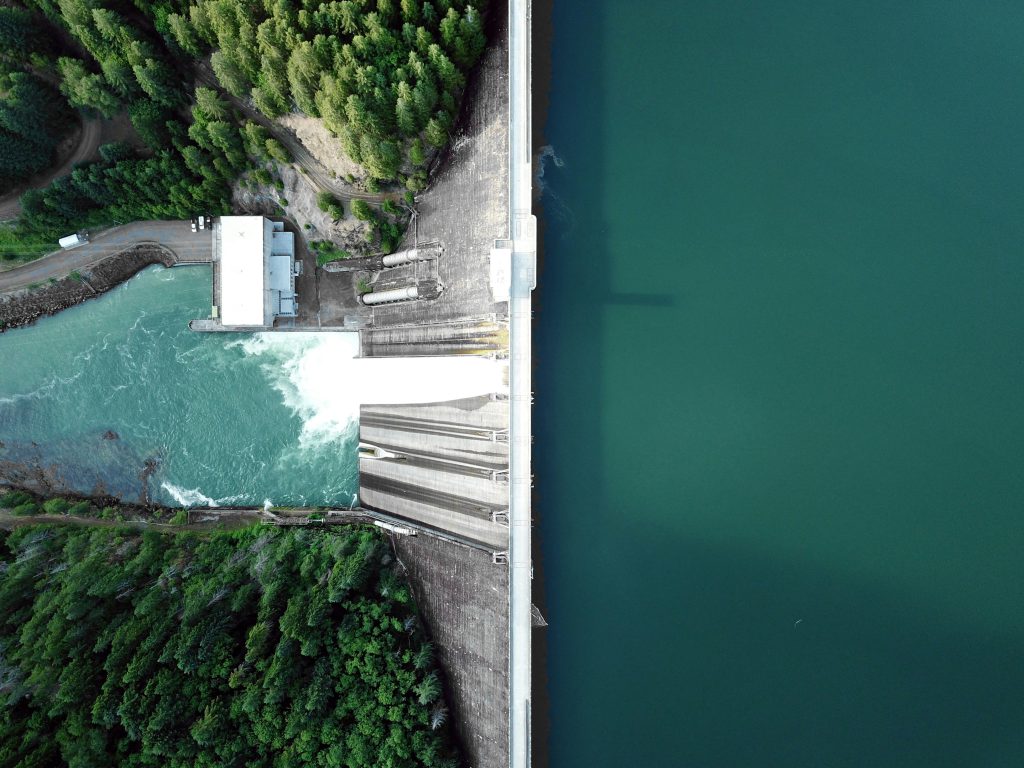
Aerial view of a hydroelectric dam representing penstock valve isolation

Valve Selection for Hydroelectric Penstock Isolation: Pressure and Flow Control

A penstock carries water from intake or reservoir down to the turbine under sustained high pressure generated by elevation head, and the valves that isolate or control flow along that path operate under conditions distinct from most other industrial process applications. Unlike a chemical process line where pressure derives from pumping or compression, penstock pressure

Valve Selection for Hydroelectric Penstock Isolation: Pressure and Flow Control Read More »

Industrial site representing emergency shutdown valve safety systems

Emergency Shutdown Valves: What Process Safety Actually Requires

An emergency shutdown valve exists for the moment a facility hopes never to need it. Process upset, equipment failure, or a detected hazardous condition that requires rapid, reliable isolation of flow before a contained problem becomes an uncontained one. Because emergency shutdown valves spend most of their operating life sitting in a single position rather

Emergency Shutdown Valves: What Process Safety Actually Requires Read More »

Industrial control room representing valve pressure class standards and ratings

Understanding Pressure Classes: ANSI, PN, and JIS Ratings Explained

A valve’s pressure class rating determines the maximum pressure it can safely contain at a given temperature, and misreading or mismatching this rating against a system’s actual requirements is among the more basic but consequential specification errors in industrial procurement. Complicating this further, three different regional standards systems, ANSI in North America, PN in Europe,

Understanding Pressure Classes: ANSI, PN, and JIS Ratings Explained Read More »

Industrial pipes representing cooling water and condensate valve systems

Valve Selection for Cooling Water and Condensate Systems in Power Generation

Cooling water and condensate systems rarely receive the same specification scrutiny that high-temperature steam lines or geothermal brine handling attract, yet valve failures in these systems carry real operational consequences of their own, lost cooling capacity, condensate leakage affecting plant efficiency, and in some cases water treatment chemistry upsets that ripple into other parts of

Valve Selection for Cooling Water and Condensate Systems in Power Generation Read More »

Retrofitting Older Power Plants With Modern Valve Technology

Power plants commissioned decades ago frequently still operate on valve technology specified and installed at the time of original construction, equipment that has often outlived its intended service life through diligent maintenance rather than because the original specification was particularly generous by today’s standards. As these plants continue operating, often well beyond their originally planned

Retrofitting Older Power Plants With Modern Valve Technology Read More »

Industrial plant at night representing valve documentation and audit traceability

Valve Documentation and Traceability: What Audits and Insurers Actually Check

A valve that performs flawlessly in service can still create a serious problem for a facility if the documentation behind it cannot demonstrate that it was actually fit for the application it was installed into. Insurance audits, safety compliance reviews, and client due diligence inspections increasingly look past simple functional performance to ask a more

Valve Documentation and Traceability: What Audits and Insurers Actually Check Read More »