
Industrial control panel with dials representing valve seat material technical specification

Valve Seat Materials Compared: PTFE, Metal Seat, and Elastomer for High-Pressure Service

Valve seat material selection is one of the specification decisions most often made by default rather than by deliberate evaluation, and it is one where the consequences of a poor choice, premature seat wear, inadequate sealing at operating temperature, or chemical attack that destroys sealing integrity within a fraction of the expected service life, are […]

Valve Seat Materials Compared: PTFE, Metal Seat, and Elastomer for High-Pressure Service Read More »
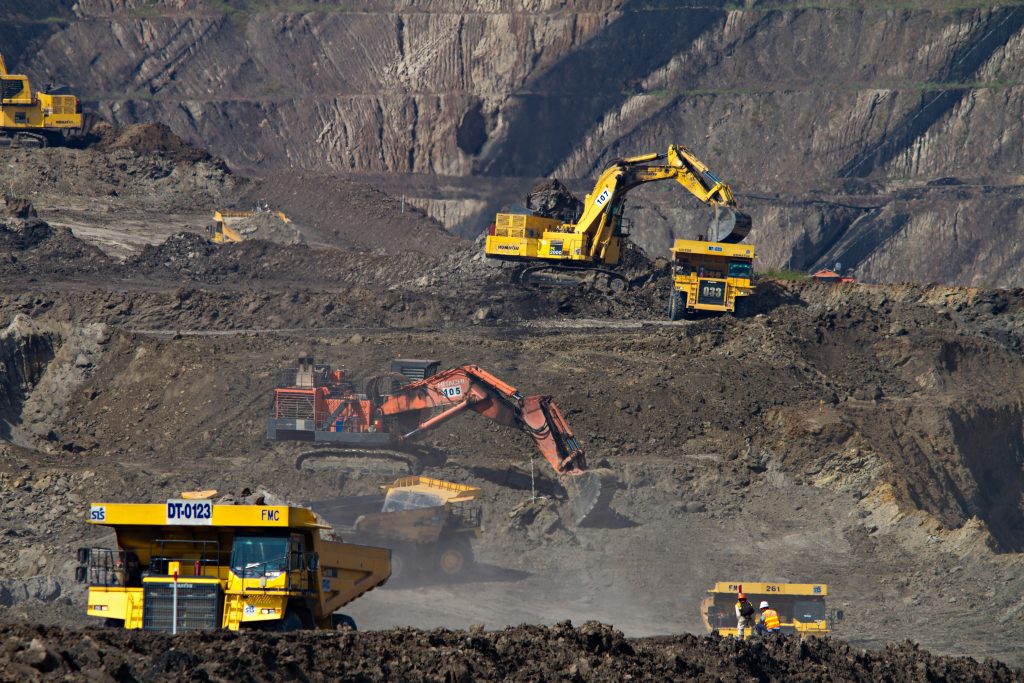

Industrial excavation site representing valve specification and procurement in Philippine industry

Common Valve Specification Mistakes in Philippine Industrial Procurement

A valve specification that looks complete on paper, with a pressure class, a temperature rating, a material designation, and a connection standard, can still be deeply inadequate for the application it is supposed to serve. The gap between a technically compliant specification and a specification that actually produces valves matched to real operating demands is

Common Valve Specification Mistakes in Philippine Industrial Procurement Read More »

Aerial view of geothermal facility representing valve selection for reinjection lines

Valve Selection for Geothermal Reinjection Lines: Pressure, Chemistry, and Isolation Requirements

Geothermal reinjection, the process of returning cooled brine back into the underground reservoir after energy extraction, is a distinct and demanding service environment that receives considerably less specification attention than the production side of a geothermal facility. Reinjection valves operate under conditions that differ meaningfully from those on the production side, and applying production-side valve

Valve Selection for Geothermal Reinjection Lines: Pressure, Chemistry, and Isolation Requirements Read More »

Industrial valve mechanism representing Goodlite explosion-proof luminaires in hazardous areas

Goodlite Explosion-Proof Lighting: What Sets It Apart From Standard Industrial LED

When a Philippine oil and gas facility, power plant, or chemical processing site specifies explosion-proof lighting, the requirement is not simply for a robust fixture that will survive an industrial environment. It is for a fixture specifically designed and certified to contain any internal ignition within the fixture enclosure, preventing it from igniting a potentially

Goodlite Explosion-Proof Lighting: What Sets It Apart From Standard Industrial LED Read More »

Industrial space representing high-bay LED lighting for warehouses and distribution centers

High-Bay LED Lighting for Philippine Warehouses and Distribution Centers

Warehouse and distribution center lighting in the Philippines has been through a slow but significant transition over the past decade, away from the high-intensity discharge fixtures that were the standard for high-bay applications and toward LED technology that offers meaningfully better energy efficiency, longer service life, and in many cases better quality of light for

High-Bay LED Lighting for Philippine Warehouses and Distribution Centers Read More »

Emergency and Exit Lighting Compliance for Philippine Industrial Facilities

Emergency and exit lighting is one of the more straightforwardly life-safety-critical systems in any industrial facility, and one where the gap between nominal compliance and genuine functional reliability is often larger than facility managers realize. A facility that has installed emergency luminaires and exit signs has met the basic procurement requirement, but whether those luminaires

Emergency and Exit Lighting Compliance for Philippine Industrial Facilities Read More »

Industrial plant at night representing substation and switchyard lighting design

Lighting Design for Power Plant Substations and Switchyards in the Philippines

Substation and switchyard lighting is among the more technically specific lighting design problems in power generation facilities, and it is frequently under-specified relative to the operational and safety demands of the environment. Personnel working in a substation during normal operations, during fault response, or during maintenance activities need to be able to read equipment markings,

Lighting Design for Power Plant Substations and Switchyards in the Philippines Read More »

Close-up of an industrial valve representing dosing pump maintenance and inspection

Dosing Pump Maintenance and Troubleshooting: Keeping Metering Systems Running in Philippine Industrial Facilities

A dosing pump that was working correctly last month and is now delivering inconsistent output or no output at all has not randomly failed. It has reached the end of a wear or degradation process that, with proper maintenance and early diagnostic attention, would have been caught and corrected before it became a process problem.

Dosing Pump Maintenance and Troubleshooting: Keeping Metering Systems Running in Philippine Industrial Facilities Read More »

Industrial control panel representing automated water quality monitoring and dosing control

ProMinent DULCOMETER Controllers: Automating Water Quality Monitoring in Philippine Process Plants

Accurate chemical dosing and accurate measurement of what that dosing is achieving are two separate problems, and solving the first without the second leaves a facility running its treatment program on assumption rather than evidence. A dosing pump can meter chemical precisely and still fail to deliver the target water chemistry if the underlying process

ProMinent DULCOMETER Controllers: Automating Water Quality Monitoring in Philippine Process Plants Read More »

Industrial pipes representing boiler feedwater dosing pump systems in power plants

Boiler Feedwater Chemical Treatment: Dosing Pump Specification for Philippine Power Plants

Boiler feedwater treatment is among the most demanding dosing applications in a power plant, not because the chemistry is unusually complex, but because the consequences of getting it wrong are unusually severe. Scale deposits on boiler tubes reduce heat transfer efficiency and can lead to overheating and tube failure. Corrosion of boiler internals and steam

Boiler Feedwater Chemical Treatment: Dosing Pump Specification for Philippine Power Plants Read More »