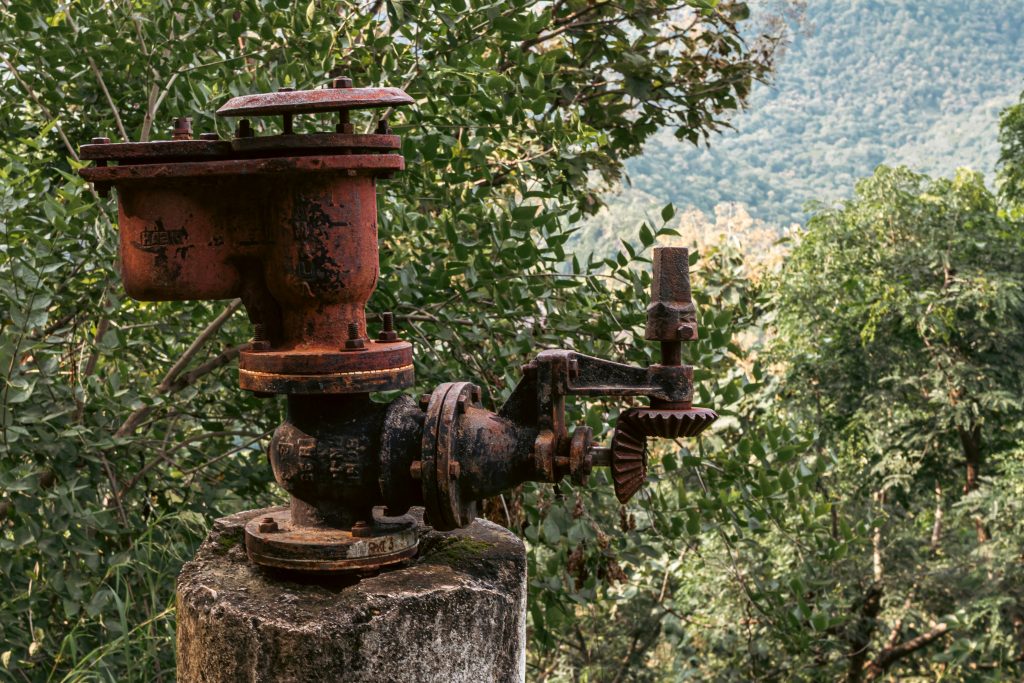
Industrial site representing emergency shutdown valve safety systems

Emergency Shutdown Valves: What Process Safety Actually Requires

An emergency shutdown valve exists for the moment a facility hopes never to need it. Process upset, equipment failure, or a detected hazardous condition that requires rapid, reliable isolation of flow before a contained problem becomes an uncontained one. Because emergency shutdown valves spend most of their operating life sitting in a single position rather […]

Emergency Shutdown Valves: What Process Safety Actually Requires Read More »
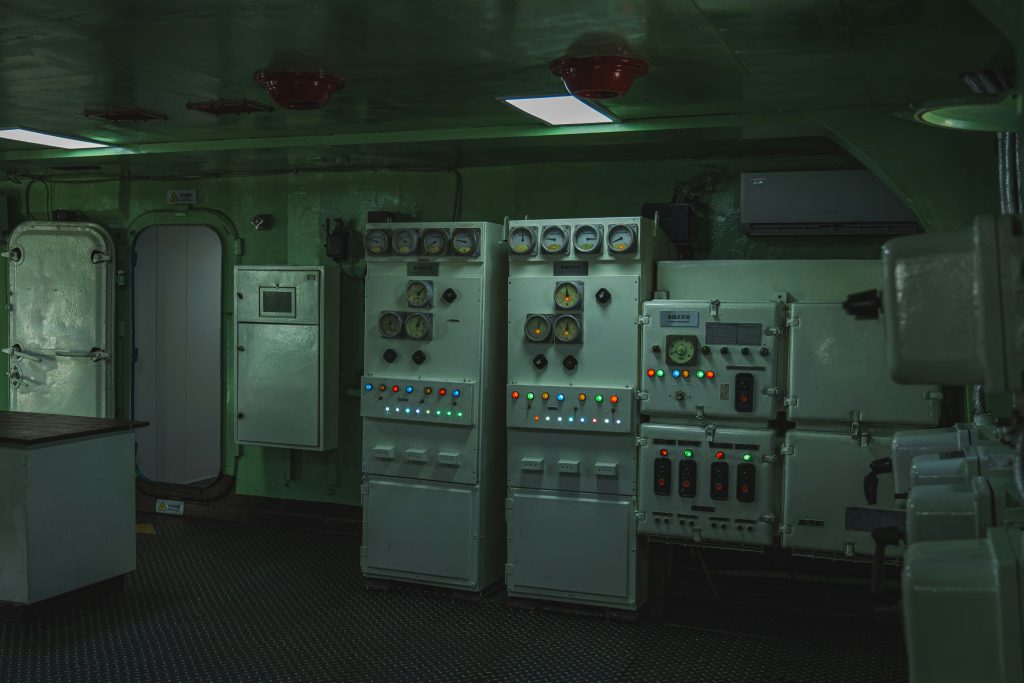
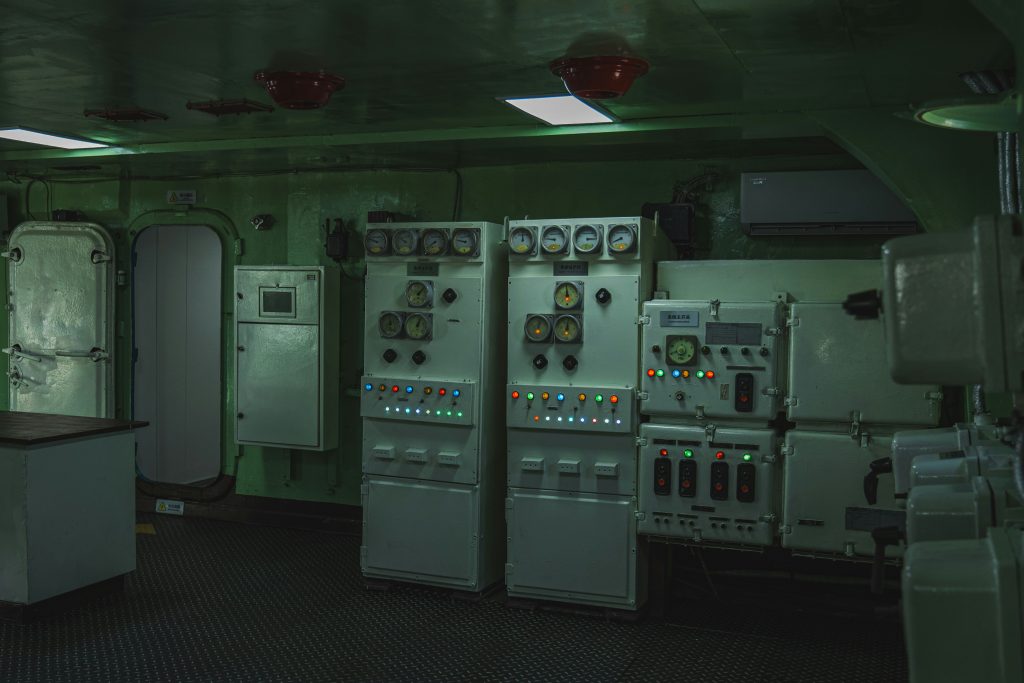
Industrial control room representing valve pressure class standards and ratings

Understanding Pressure Classes: ANSI, PN, and JIS Ratings Explained

A valve’s pressure class rating determines the maximum pressure it can safely contain at a given temperature, and misreading or mismatching this rating against a system’s actual requirements is among the more basic but consequential specification errors in industrial procurement. Complicating this further, three different regional standards systems, ANSI in North America, PN in Europe,

Understanding Pressure Classes: ANSI, PN, and JIS Ratings Explained Read More »

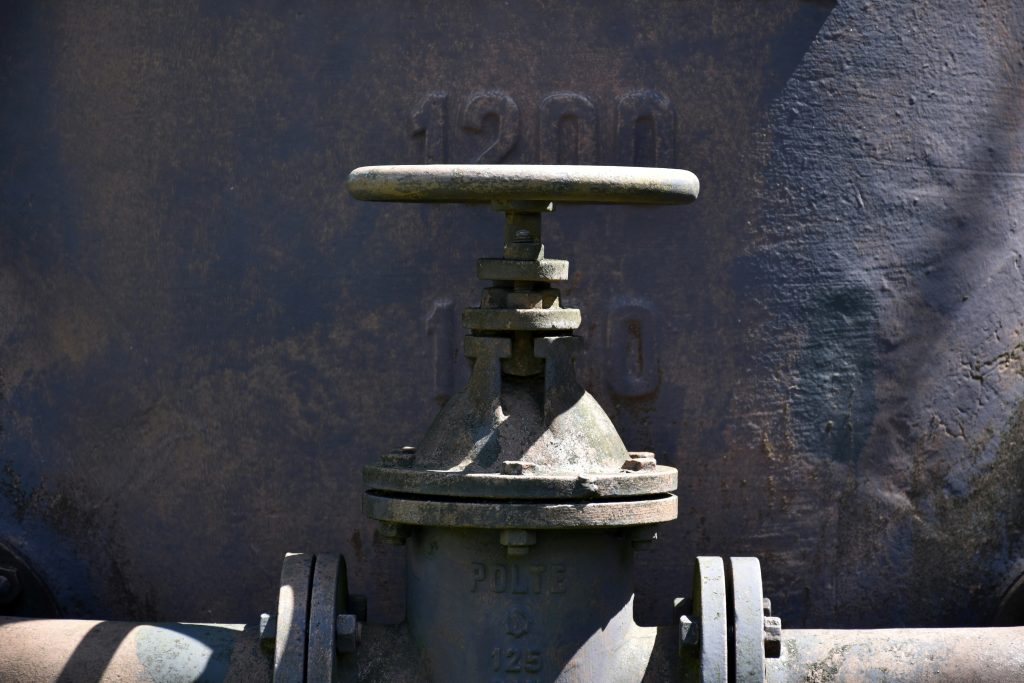
Industrial pipes representing cooling water and condensate valve systems

Valve Selection for Cooling Water and Condensate Systems in Power Generation

Cooling water and condensate systems rarely receive the same specification scrutiny that high-temperature steam lines or geothermal brine handling attract, yet valve failures in these systems carry real operational consequences of their own, lost cooling capacity, condensate leakage affecting plant efficiency, and in some cases water treatment chemistry upsets that ripple into other parts of

Valve Selection for Cooling Water and Condensate Systems in Power Generation Read More »

Retrofitting Older Power Plants With Modern Valve Technology

Power plants commissioned decades ago frequently still operate on valve technology specified and installed at the time of original construction, equipment that has often outlived its intended service life through diligent maintenance rather than because the original specification was particularly generous by today’s standards. As these plants continue operating, often well beyond their originally planned

Retrofitting Older Power Plants With Modern Valve Technology Read More »

Industrial plant at night representing valve documentation and audit traceability

Valve Documentation and Traceability: What Audits and Insurers Actually Check

A valve that performs flawlessly in service can still create a serious problem for a facility if the documentation behind it cannot demonstrate that it was actually fit for the application it was installed into. Insurance audits, safety compliance reviews, and client due diligence inspections increasingly look past simple functional performance to ask a more

Valve Documentation and Traceability: What Audits and Insurers Actually Check Read More »

Industrial valve mechanism representing quarter-turn versus multi-turn valve design

Quarter-Turn vs Multi-Turn Valves: Actuation Speed and Control Precision Compared

Valve mechanisms divide broadly into two categories based on how many turns of the stem or shaft are needed to move from fully open to fully closed. Quarter-turn valves, ball, butterfly, and plug designs among them, achieve full travel with a ninety-degree rotation. Multi-turn valves, gate and globe designs primarily, require multiple full rotations of

Quarter-Turn vs Multi-Turn Valves: Actuation Speed and Control Precision Compared Read More »

Vintage industrial control panel with dials representing valve sizing and control

Valve Sizing and Cv Calculation for Industrial Process Control

A valve sized incorrectly for its application creates problems that often surface only after installation, when the process doesn’t behave the way the design intended. An oversized valve struggles to control flow precisely at low demand, operating mostly near its closed position where control resolution is poorest. An undersized valve cannot pass the flow the

Valve Sizing and Cv Calculation for Industrial Process Control Read More »

Industrial pipes representing total cost of ownership in valve procurement

Total Cost of Ownership: Why the Cheapest Valve Quote Isn’t the Cheapest Valve

A procurement comparison built purely around purchase price tends to favor whichever valve quote arrives lowest, and in many industrial procurement contexts that comparison ends there. For high-pressure, high-temperature, or abrasive process service specifically, this comparison frequently produces the wrong answer, because purchase price captures only a fraction of what a valve actually costs a

Total Cost of Ownership: Why the Cheapest Valve Quote Isn’t the Cheapest Valve Read More »

Close-up of an industrial valve being inspected for wear

Preventive Maintenance Schedules for High-Pressure Process Valves

A valve specified correctly and installed properly still requires a maintenance program built around its actual operating conditions to deliver its full service life. Facilities that treat valve maintenance as purely reactive, responding only once a leak, seizure, or failure appears, consistently pay more in unplanned downtime and emergency repair than facilities running a structured

Preventive Maintenance Schedules for High-Pressure Process Valves Read More »

Industrial control room panel representing valve actuation control systems

Valve Actuation for Geothermal Wellhead Control: Manual, Pneumatic, and Electric Options

A valve body specified correctly for geothermal service still depends on something else to actually open and close it reliably, under pressure, at temperature, often for years without a missed cycle. Actuation is frequently treated as a secondary decision once the valve itself is selected, when in practice the actuator choice has just as much

Valve Actuation for Geothermal Wellhead Control: Manual, Pneumatic, and Electric Options Read More »