
Industrial Valves

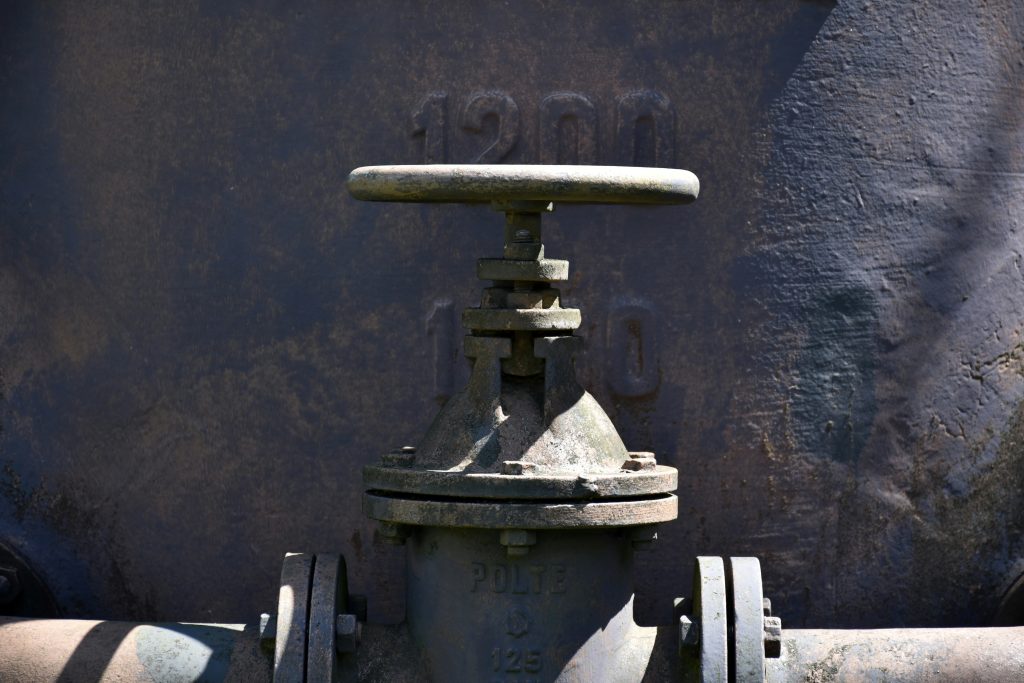
Industrial valve mechanism representing quarter-turn versus multi-turn valve design

Quarter-Turn vs Multi-Turn Valves: Actuation Speed and Control Precision Compared

Valve mechanisms divide broadly into two categories based on how many turns of the stem or shaft are needed to move from fully open to fully closed. Quarter-turn valves, ball, butterfly, and plug designs among them, achieve full travel with a ninety-degree rotation. Multi-turn valves, gate and globe designs primarily, require multiple full rotations of […]

Quarter-Turn vs Multi-Turn Valves: Actuation Speed and Control Precision Compared Read More »

Vintage industrial control panel with dials representing valve sizing and control

Valve Sizing and Cv Calculation for Industrial Process Control

A valve sized incorrectly for its application creates problems that often surface only after installation, when the process doesn’t behave the way the design intended. An oversized valve struggles to control flow precisely at low demand, operating mostly near its closed position where control resolution is poorest. An undersized valve cannot pass the flow the

Valve Sizing and Cv Calculation for Industrial Process Control Read More »

Industrial pipes representing total cost of ownership in valve procurement

Total Cost of Ownership: Why the Cheapest Valve Quote Isn’t the Cheapest Valve

A procurement comparison built purely around purchase price tends to favor whichever valve quote arrives lowest, and in many industrial procurement contexts that comparison ends there. For high-pressure, high-temperature, or abrasive process service specifically, this comparison frequently produces the wrong answer, because purchase price captures only a fraction of what a valve actually costs a

Total Cost of Ownership: Why the Cheapest Valve Quote Isn’t the Cheapest Valve Read More »

Close-up of an industrial valve being inspected for wear

Preventive Maintenance Schedules for High-Pressure Process Valves

A valve specified correctly and installed properly still requires a maintenance program built around its actual operating conditions to deliver its full service life. Facilities that treat valve maintenance as purely reactive, responding only once a leak, seizure, or failure appears, consistently pay more in unplanned downtime and emergency repair than facilities running a structured

Preventive Maintenance Schedules for High-Pressure Process Valves Read More »

Industrial control room panel representing valve actuation control systems

Valve Actuation for Geothermal Wellhead Control: Manual, Pneumatic, and Electric Options

A valve body specified correctly for geothermal service still depends on something else to actually open and close it reliably, under pressure, at temperature, often for years without a missed cycle. Actuation is frequently treated as a secondary decision once the valve itself is selected, when in practice the actuator choice has just as much

Valve Actuation for Geothermal Wellhead Control: Manual, Pneumatic, and Electric Options Read More »

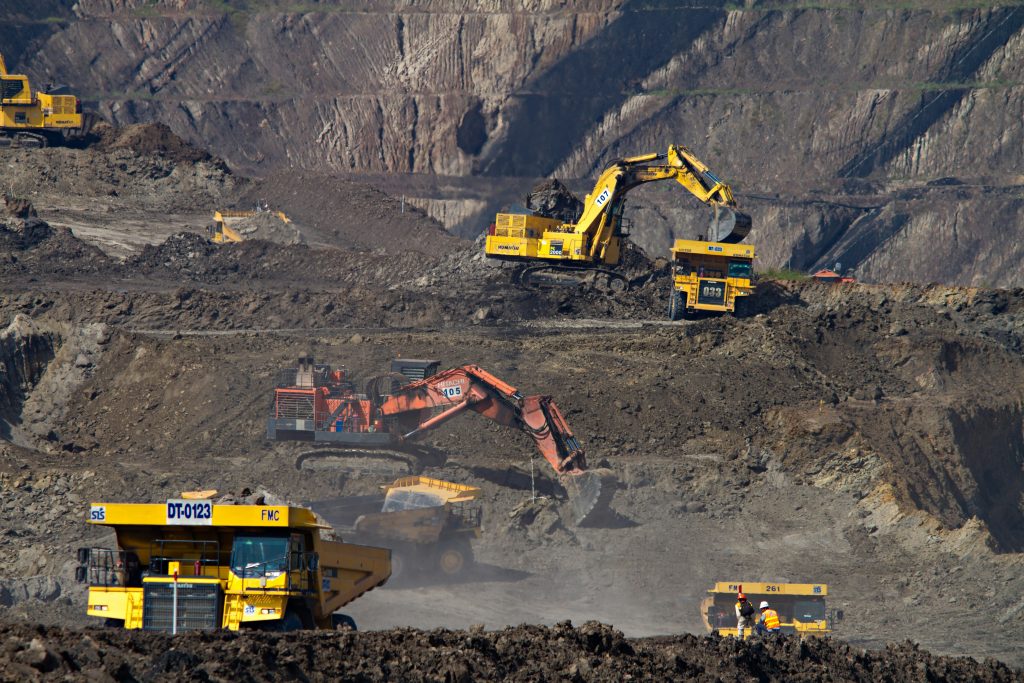
Mining excavation site representing valve reliability in abrasive mining operations

Valve Reliability in Mining Operations: Handling Abrasive and High-Pressure Flow

Mining operations put valves through a combination of stresses that few other industrial applications match simultaneously. Slurry lines carry suspended solids that erode internal surfaces with every cycle. Process pressures run high across extended continuous operation. Unplanned valve failure in a mining process line rarely produces a quiet, contained problem, it produces a process stoppage,

Valve Reliability in Mining Operations: Handling Abrasive and High-Pressure Flow Read More »

Industrial valve mechanism illustrating ball and butterfly valve design comparison

Ball Valves vs Butterfly Valves: Choosing the Right Design for High-Pressure Process Lines

Specifying a quarter-turn valve for a high-pressure industrial process line often comes down to a choice between two fundamentally different mechanical designs, ball valves and butterfly valves, each of which solves the problem of controlling flow in a genuinely different way. Both are widely used across industrial process service, and both have legitimate, well-understood applications.

Ball Valves vs Butterfly Valves: Choosing the Right Design for High-Pressure Process Lines Read More »

Industrial power plant at night representing valve procurement for power generation

Valve Procurement Specification Guide for Power Plant and PhilGEPS Projects

Writing a valve specification for a power plant project, whether for a private facility expansion or a government-funded infrastructure bid through PhilGEPS, involves satisfying two requirements that do not always reinforce each other naturally. The specification has to be technically sound enough that the valves actually procured perform reliably in demanding power generation service. It

Valve Procurement Specification Guide for Power Plant and PhilGEPS Projects Read More »

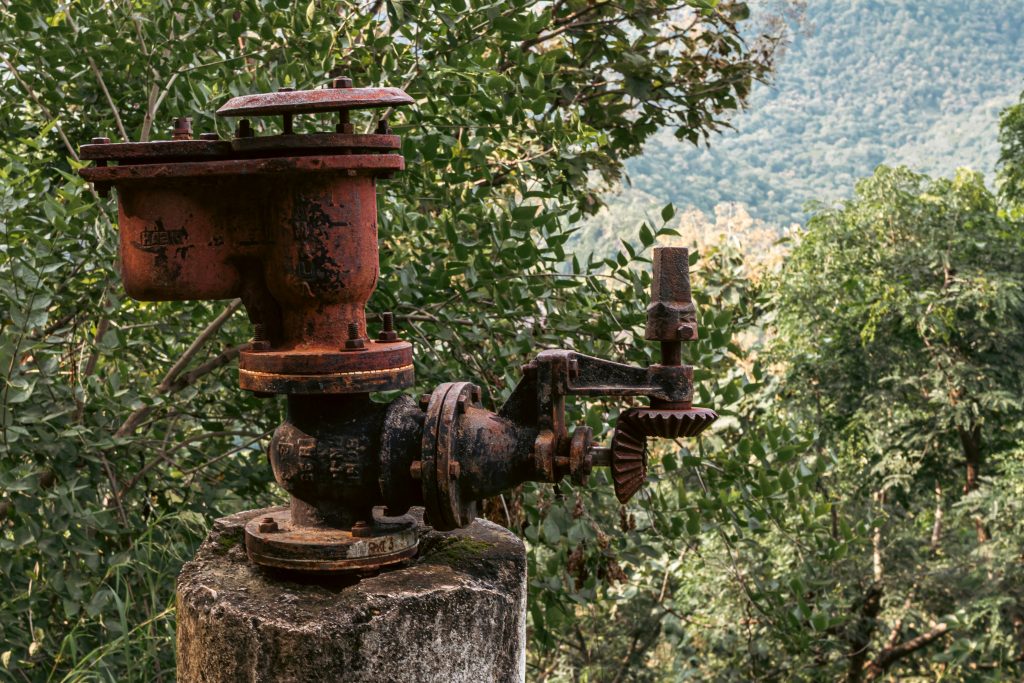
Close-up of an old industrial valve showing wear and corrosion

Why Valves Fail in Geothermal and High-Pressure Process Service

A valve that worked reliably for two years suddenly starts leaking past the seat. Another seizes partway through a routine actuation cycle. A third develops visible pitting on a disassembly inspection that nobody expected to find this early in its service life. None of these failures are random, and in geothermal and other high-pressure, high-temperature

Why Valves Fail in Geothermal and High-Pressure Process Service Read More »

Industrial pipes representing geothermal valve and piping material selection

Geothermal Valve Specification: Material Selection for High-Temperature Brine Service

Geothermal power generation runs on a fluid that is unusually hard on the equipment carrying it. Geothermal brine arrives from deep underground at high temperature and high pressure, carrying dissolved minerals, chlorides, and often hydrogen sulfide and carbon dioxide that make it meaningfully more corrosive than the process fluids most industrial valves are designed around.

Geothermal Valve Specification: Material Selection for High-Temperature Brine Service Read More »