

Understanding Explosion Proof Lighting for Hazardous Industrial Environments
Understanding Explosion Proof Lighting for Hazardous Industrial Environments
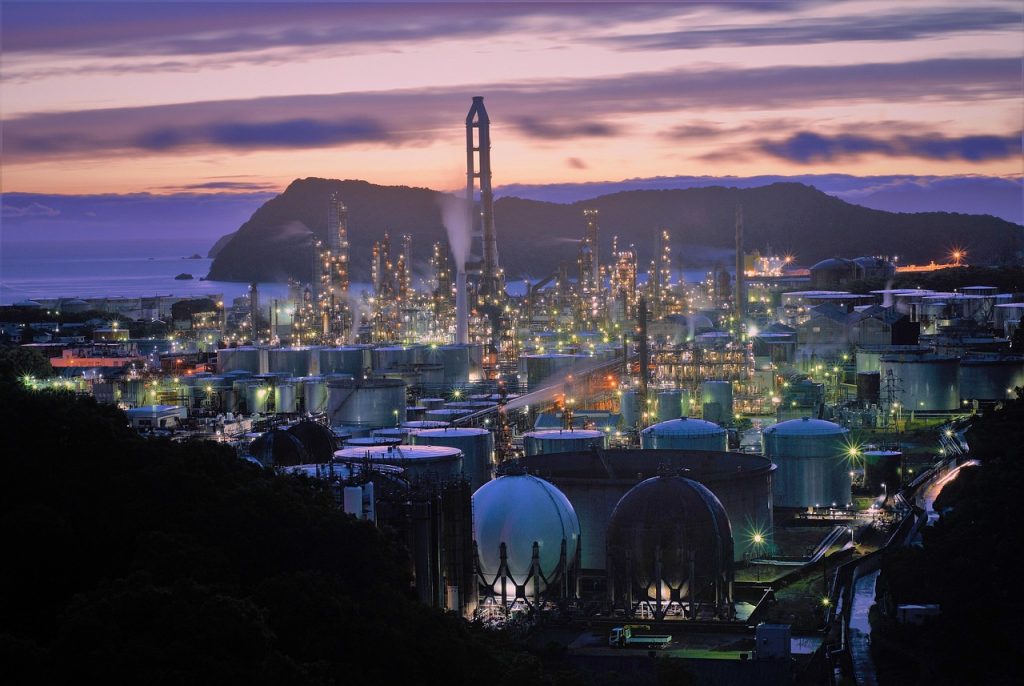
Facilities operating in oil and gas, chemical processing, power generation, and certain manufacturing sectors face elevated ignition risks. In these environments, standard lighting fixtures are not acceptable. Explosion proof lighting is designed to contain internal sparks or heat and prevent ignition of flammable gases or dust present in the surrounding atmosphere.
Hazardous Area Classifications
This is critical in hazardous area lighting applications classified as Zone 1, Zone 2, or dust hazard zones. Zone 1 areas (likely explosive atmospheres during normal ops) require Ex d (flameproof) or Ex eb fixtures; Zone 2 (occasional risk) allows less stringent but still certified options. Dust zones (21/22) demand IP66+ and T-class ratings (e.g., T6 for low heat). Philippine sites like refineries follow IECEx/ATEX or PESO/DOLE standards.
Compliance Standards in the Philippines
In the Philippines, industrial safety lighting compliance is increasingly enforced in high risk industries. Certified explosion proof luminaires must meet strict standards for enclosure strength (aluminum alloy), temperature control (T1-T6), and ingress protection. SGS Philippines offers third-party IECEx/ATEX certification; fixtures need UL 844 or equivalent for Class I Div 1/2.
IP ratings play a significant role. IP66/67 seals protect against dust/moisture in petrochemical plants.
| Zone | Risk Level | Required Protection | Sample Application |
| Zone 1 | High (Normal Ops) | Flameproof | Pump Areas, Filling Points |
| Zone 2 | Medium (Abnormal) | Increase Safety | Storage near leaks |
| Zone 21/22 | Dust | Dust-tight | Grain silos, Mining |
Technical Design Features
Explosion-proof designs force gases through cooling paths, preventing external ignition. LED versions offer 80% energy efficiency, high lumens (9,000-30,000), and 50,000+ hour life.
Low heat (80% energy to light) reduces T-class risks.
Benefits Beyond Compliance
Beyond compliance, reliability is key. Lighting failure in hazardous zones can disrupt operations and increase safety exposure. High quality explosion proof LED systems offer long service life, reduced maintenance intervals (annual inspections min.), and stable light output under extreme conditions (-40°C to +60°C).
Energy savings: 90% less than traditional, cutting costs in 24/7 ops. Crisp light improves visibility, reducing accidents.
Installation and Maintenance Best Practices
Mount with versatile brackets; inspect seals monthly, full annually. Integrate with BMS for monitoring.
Proper specification is not optional. It is critical for safety, insurance, and operational continuity.
Ultra Power provides compliant explosion proof lighting Philippines solutions.

Polymer Dosing in Philippine Wastewater Treatment: Flocculation and Dewatering
Philippine industrial facilities — food processing plants, pharmaceutical manufacturers, textile mills, electroplating operations, and hotels — are required under DENR Administrative Order 2016-08…
Acid Dosing for Philippine Cooling Tower Water Treatment
Cooling towers are essential heat rejection systems in Philippine industrial plants, commercial buildings, and data centres. Their performance depends on maintaining recirculating water…
Sodium Hypochlorite Dosing for Philippine Swimming Pools and Water Parks
Swimming pool and water park disinfection is a public health responsibility. Philippine regulatory standards under the Department of Health (DOH) and local government…
Chemical Dosing System Design for Philippine Water Treatment Plants
Water treatment plants across the Philippines — serving MWSS, LWUA district offices, provincial water utilities, and private industrial water systems — rely on…
Process Water Filtration for Philippine Food and Beverage Manufacturing
Philippine food and beverage manufacturing is one of the country’s largest industrial sectors, encompassing beverage bottling, dairy processing, snack food production, instant noodle…
Offshore Seawater Filtration for Philippine FPSO and Platform Operations
Offshore oil and gas operations in Philippine waters — including floating production, storage, and offloading (FPSO) vessels, wellhead platforms, and subsea production systems…
Looking for Industrial Equipment in the Philippines?
Ultra Power Industrial Resources provides reliable equipment and solutions across all major Philippine industries.
Start Your Assessment