
How Proper Lighting Improves Productivity in Warehouses and Logistics Facilities
How Proper Lighting Improve Productivity in Warehouses and Logistics Facilities
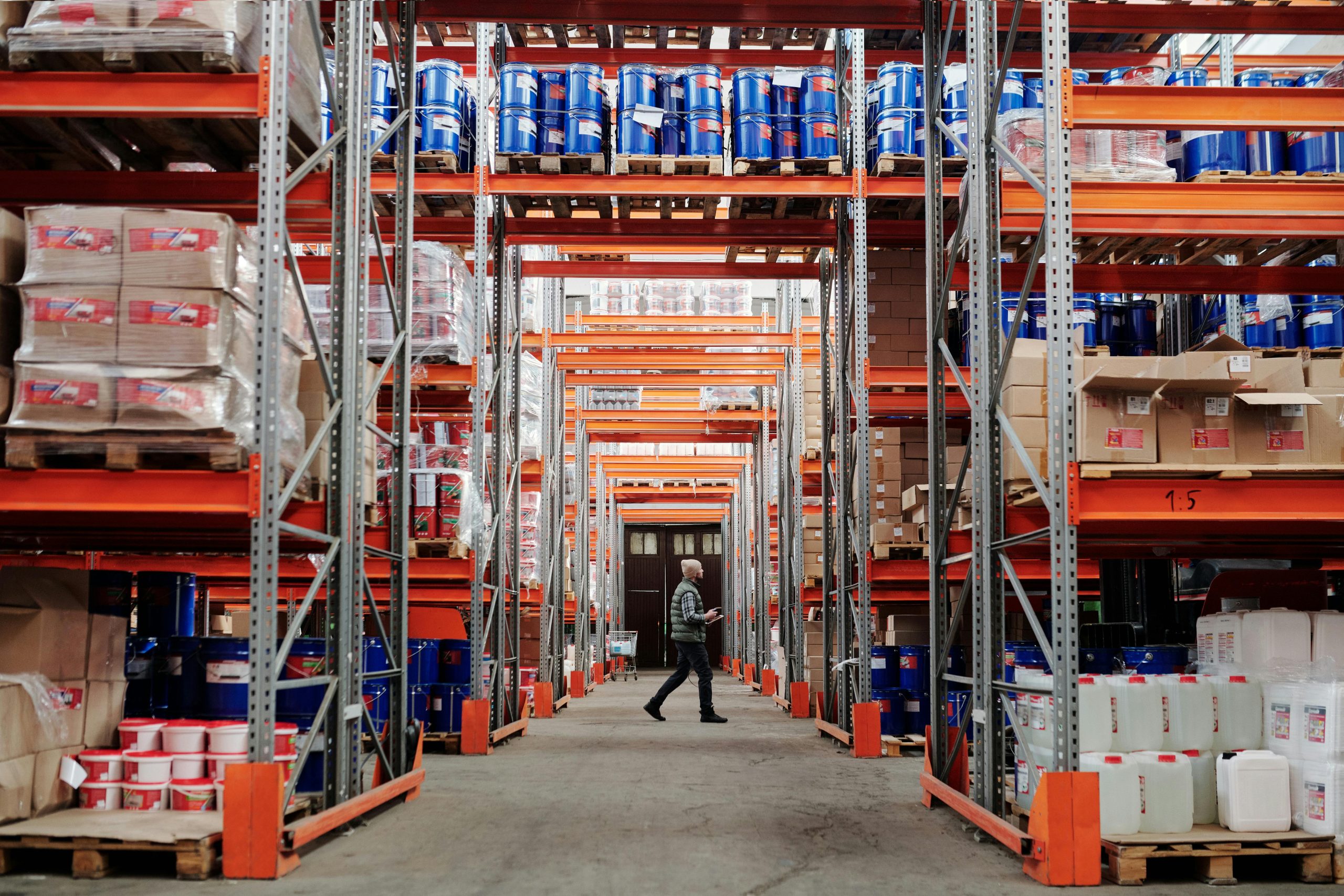
Warehouses and logistics hubs operate around the clock, handling high volumes of goods in fast-paced environments. In these settings, visibility directly impacts speed, accuracy, and safety, making proper lighting an essential operational tool. Industrial high bay lighting must deliver consistent lux levels across large spaces with high ceilings, a common challenge in Philippine facilities where tropical humidity and dust add complexity.
Challenges of Traditional Warehouse Lighting
Poor lighting creates shadows between racks, increasing picking errors and forklift accidents. Traditional high bay fixtures like metal halide or sodium vapor lamps suffer from slow warm-up times (up to 15 minutes), frequent flickering, and high heat output that exacerbates discomfort in non-air-conditioned spaces. In warehouses with 8-15 meter ceilings—standard in logistics centers near Manila ports—these systems produce uneven illumination, with lux levels dropping below 150 on floor aisles and creating glare hotspots at eye level.
This leads to measurable productivity losses. Workers experience eye strain after 4-6 hours under inconsistent light, slowing barcode scanning by 20-30% and raising error rates in order fulfillment to 5-10%. Safety risks escalate: forklift operators misjudge distances in shadowed areas, contributing to 15% of warehouse incidents per DOLE reports. Energy inefficiency compounds costs, as legacy systems consume 400-600W per fixture, driving monthly bills to PHP 500,000+ for a 10,000 sqm facility running 24/7.
In the Philippines, power reliability issues amplify these problems. Frequent brownouts shorten bulb life, requiring constant replacements and disrupting 24-hour operations critical for e-commerce fulfillment.
Superior Performance of LED High Bay Lighting
LED warehouse lighting improves visibility through better beam control and uniform distribution. Advanced optics—like aisle containment lenses—focus light precisely on shelving zones (60-90 degree beams), reducing glare and enhancing scanning accuracy for barcodes and labeling. Modern UFO (Unibody Flying Object) high bays with 10-15% uplight bounce illumination off ceilings, eliminating dark spots and achieving 200-400 lux uniformity across floors
These systems target DOLE-recommended levels: 150-200 lux for aisles, 300 lux for picking areas, and 500 lux at workstations. Dimmable drivers adjust output based on natural light or occupancy, maintaining optimal conditions without over-illumination.
Energy Efficiency and Cost Reductions
Energy efficiency is especially important in logistics facilities operating 24 hours daily. Upgrading to industrial LED systems lowers operational costs while supporting sustainability targets under RA 11285 (Energy Efficiency Act). A single 200W LED high bay replaces a 600W metal halide, cutting power use by 65-75% and reducing cooling loads by 40% due to minimal heat emission.
For a 5,000 sqm warehouse with 50 fixtures, this yields PHP 1.2M annual savings at PHP 12/kWh Meralco rates, with payback in 18-24 months. Maintenance drops dramatically: LEDs last 60,000-100,000 hours versus 10,000 for HID, eliminating ladder work and bulb disposal costs.
| Metric | Traditional HID | LED High Bay | Annual Impact (50 Fixtures, 24/7) |
| Power per Fixture | 400-600W | 150-250W | 350,000 kWh saved |
| Lifespan | 10,000-15,000 hrs | 60,000+ hrs | Php 200k maintenance cut |
| Lux Uniformity | 40-60% | 80-90% | 15-25% productivity gain |
| Heat Output | High (50% waste) | Low (90% to light) | Reduced AC Cost |
Boosting Productivity Through Better Visibility
Lighting directly influences throughput. Uniform illumination speeds picking by 15-25%, as workers navigate racks faster and spot labels clearly under 4000K cool white LEDs (CRI 80+ for accurate color discernment of packaging). Forklift safety improves with wide-beam fixtures covering fork paths, reducing collision risks by 30%.
Integrated sensors—motion, daylight harvesting—cut energy another 20-30% in low-activity zones while ensuring light-on-demand for peaks. IoT connectivity allows real-time monitoring via apps, alerting to failures before downtime hits orders.
In e-commerce-driven logistics, where order volumes surged 40% post-pandemic, these gains translate to millions in revenue. A Philippine warehouse retrofit reported 18% throughput increase within months.
Safety Compliance and Risk Mitigation
DOLE OSHS mandates adequate illumination to prevent falls and strains, with warehouses classified under general industry (200 lux min). LEDs exceed this, supporting RA 11058 safety enhancements. Anti-glare designs and emergency backups (3-hour runtime) meet PEC requirements for egress paths.
Tropical durability matters: IK10 impact-rated housings withstand forklift bumps, while -20°C to 50°C operation handles Manila’s climate swings.
Smart Features and Future-Proofing
Wireless controls enable zoning: full bright in receiving, dim in storage. Solar-hybrid options suit remote depots, aligning with DOE green initiatives. As 5G expands, AI-optimized lighting predicts usage from order data.
Integrating Lighting with Operations
Pair high bays with task lights at stations for hybrid setups. Ultra Power engineers layouts using DIALux simulations, ensuring ROI from day one.
Lighting directly influences throughput. For warehouse lighting Philippines expertise, partner with Ultra Power—your industrial high bay lighting and logistics facility lighting specialists.

Polymer Dosing in Philippine Wastewater Treatment: Flocculation and Dewatering
Philippine industrial facilities — food processing plants, pharmaceutical manufacturers, textile mills, electroplating operations, and hotels — are required under DENR…

Acid Dosing for Philippine Cooling Tower Water Treatment
Cooling towers are essential heat rejection systems in Philippine industrial plants, commercial buildings, and data centres. Their performance depends on…
Sodium Hypochlorite Dosing for Philippine Swimming Pools and Water Parks
Swimming pool and water park disinfection is a public health responsibility. Philippine regulatory standards under the Department of Health (DOH)…
Chemical Dosing System Design for Philippine Water Treatment Plants
Water treatment plants across the Philippines — serving MWSS, LWUA district offices, provincial water utilities, and private industrial water systems…
Process Water Filtration for Philippine Food and Beverage Manufacturing
Philippine food and beverage manufacturing is one of the country’s largest industrial sectors, encompassing beverage bottling, dairy processing, snack food…
Offshore Seawater Filtration for Philippine FPSO and Platform Operations
Offshore oil and gas operations in Philippine waters — including floating production, storage, and offloading (FPSO) vessels, wellhead platforms, and…
Looking for Industrial Equipment in the Philippines?
Ultra Power Industrial Resources provides reliable equipment and solutions across all major Philippine industries.
Start Your Assessment