

Why Industrial Lighting Is a Critical Operational Asset in Manufacturing Facilities
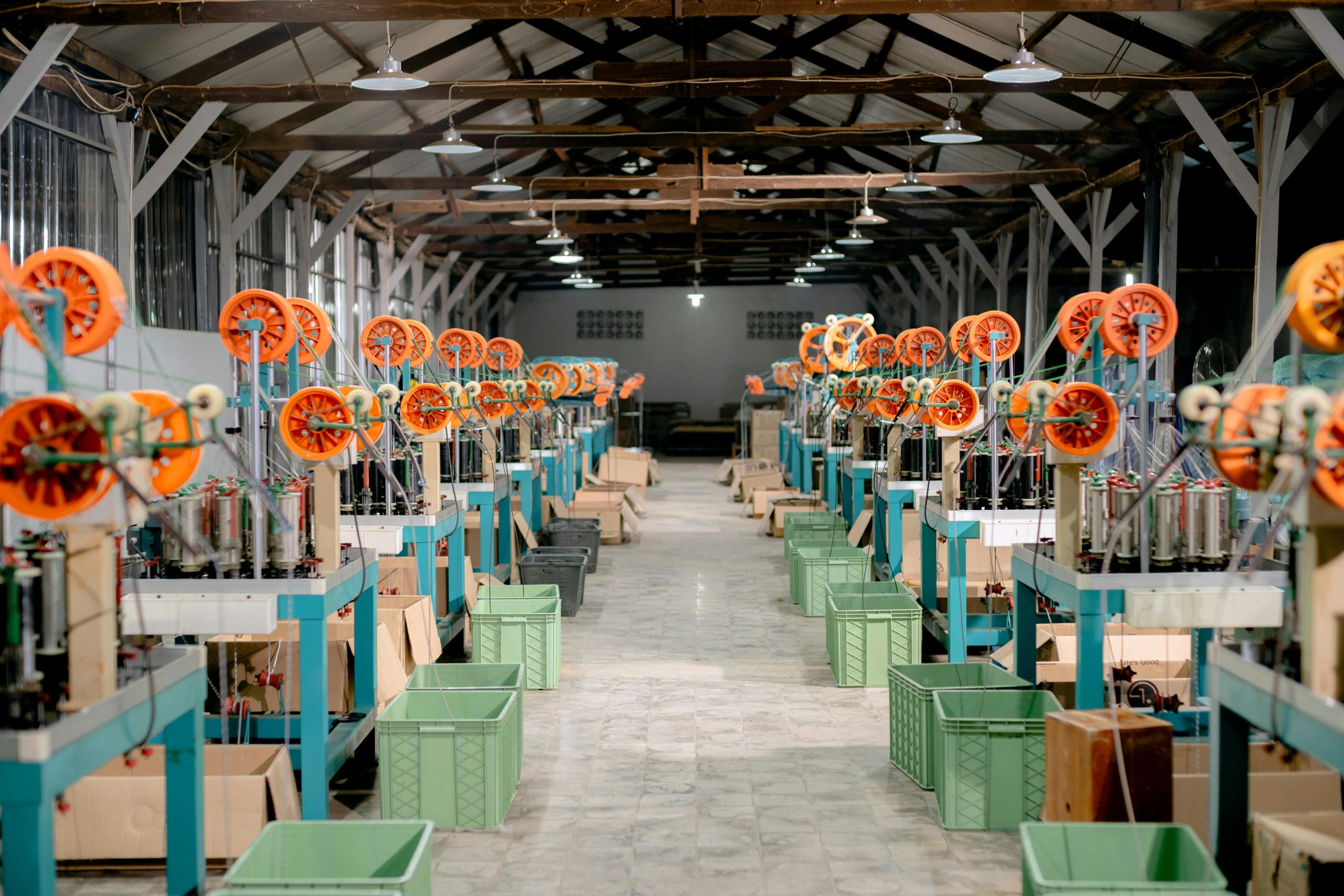
Industrial lighting is often treated as a procurement decision. In reality, it is an operational asset that directly influences productivity, safety, energy efficiency, and long-term cost control. In manufacturing facilities across the Philippines, lighting conditions affect machine accuracy, worker visibility, inspection quality, and accident rates.
Impact on Productivity and Safety
Poor lighting results in shadowing, glare, inconsistent lux levels, and increased fatigue. Over time, this reduces operational efficiency and increases risk exposure. Philippine standards, aligned with DOLE’s Occupational Safety and Health Standards (OSHS), recommend 300-500 lux for general factory floors, 750-1000 lux for inspection work, and up to 1500 lux for fine tasks like color matching. Inadequate illumination leads to errors in assembly (targeting 300 lux minimum) and higher accident rates, as shadows between machinery hinder visibility.
Proper lux levels enhance worker performance by reducing eye strain and improving focus. Studies show optimized lighting boosts productivity by 10-20% in high-ceiling production areas. For warehouses within manufacturing, 150-300 lux on aisles prevents picking errors and forklift incidents.
Advantages of Industrial LED Lighting
Industrial LED lighting solutions provide measurable advantages. Compared to traditional HID or fluorescent systems, modern industrial LED lighting delivers higher lumen efficacy (up to 150 lumens per watt), improved uniformity, and significantly lower maintenance requirements. In high bay applications such as warehouses and production floors—common in Philippine industrial zones like Manila—proper beam distribution ensures even illumination without dark spots.
LEDs last 50,000-100,000 hours, versus 10,000-20,000 for fluorescents, slashing replacement costs by 50-70%. Their low heat output (40% less than HID) improves comfort in tropical climates, reducing fatigue.
Energy Efficiency and Cost Savings
Energy efficiency is another major factor. Industrial LED systems can reduce lighting energy consumption by 40 to 70 percent depending on existing infrastructure. In facilities operating 16 to 24 hours daily—like many Philippine factories—this translates to substantial savings annually, potentially PHP 100,000+ per 100 fixtures at current Meralco rates.
The Philippines industrial lighting market is projected to grow from USD 1.75 billion in 2025 to USD 3.35 billion by 2031, driven by LED adoption and energy regulations. Lifecycle analysis shows ROI in 1-2 years through 75% lower power use and minimal downtime.
| Aspect | Traditional HID/Flourescent | Industrial LED |
| Energy Use | 400-1000W per fixture | 100-300W per fixture |
| Lifespan | 10,000-20,000 hours | 50,000+ hours |
| Annual Savings (24/7 Ops) | Baseline | 50-70% reduction |
| Maintenance | Frequently (Yearly) | 5-10 years |
Regulatory Compliance in the Philippines
More importantly, lighting influences compliance. Many industries now require minimum lux levels based on operational tasks, per DOLE OSHS and Republic Act 11058. Proper manufacturing lighting solutions help ensure regulatory alignment while improving workplace conditions. Factories must maintain 150-300 lux for general movement and 500+ for control rooms.
Non-compliance risks fines and shutdowns, but LEDs with IoT sensors enable real-time lux monitoring for audits.
Engineering Proper Lighting Systems
Industrial lighting should be engineered, not simply supplied. Proper planning includes lux calculations (using software like DIALux), IP rating selection (IP65+ for dusty factories), thermal analysis, and lifecycle cost evaluation. Beam angles (60-120 degrees) optimize high bays for 8-12m ceilings prevalent in Philippine warehouses.
Ultra Power specializes in these engineered solutions, sourcing certified LED high bays from global brands compliant with Philippine Electrical Code (PEC). Integrate motion sensors for 20-30% extra savings in intermittent-use areas.
Case Studies from Philippine Facilities
In Manila factories, LED retrofits yielded 60% energy cuts and 15% productivity gains via better visibility. A Stealth Ventures project highlighted no harmful substances and suitability for hot Philippine conditions.
Baguio’s similar upgrades (though street-focused) inform industrial trends, proving 67% bill reductions.
Future Trends and Sustainability
Smart LEDs with IoT are rising, supporting Industry 4.0 automation in Philippine manufacturing corridors. Solar-hybrid options suit off-grid sites, aligning with DOE efficiency goals.
Lighting is not overhead. It is infrastructure.
Contact Ultra Power for tailored industrial lighting Philippines solutions to elevate your operations.

Polymer Dosing in Philippine Wastewater Treatment: Flocculation and Dewatering
Philippine industrial facilities — food processing plants, pharmaceutical manufacturers, textile mills, electroplating operations, and hotels — are required under DENR…

Acid Dosing for Philippine Cooling Tower Water Treatment
Cooling towers are essential heat rejection systems in Philippine industrial plants, commercial buildings, and data centres. Their performance depends on…
Sodium Hypochlorite Dosing for Philippine Swimming Pools and Water Parks
Swimming pool and water park disinfection is a public health responsibility. Philippine regulatory standards under the Department of Health (DOH)…
Chemical Dosing System Design for Philippine Water Treatment Plants
Water treatment plants across the Philippines — serving MWSS, LWUA district offices, provincial water utilities, and private industrial water systems…
Process Water Filtration for Philippine Food and Beverage Manufacturing
Philippine food and beverage manufacturing is one of the country’s largest industrial sectors, encompassing beverage bottling, dairy processing, snack food…
Offshore Seawater Filtration for Philippine FPSO and Platform Operations
Offshore oil and gas operations in Philippine waters — including floating production, storage, and offloading (FPSO) vessels, wellhead platforms, and…
Looking for Industrial Equipment in the Philippines?
Ultra Power Industrial Resources provides reliable equipment and solutions across all major Philippine industries.
Start Your Assessment